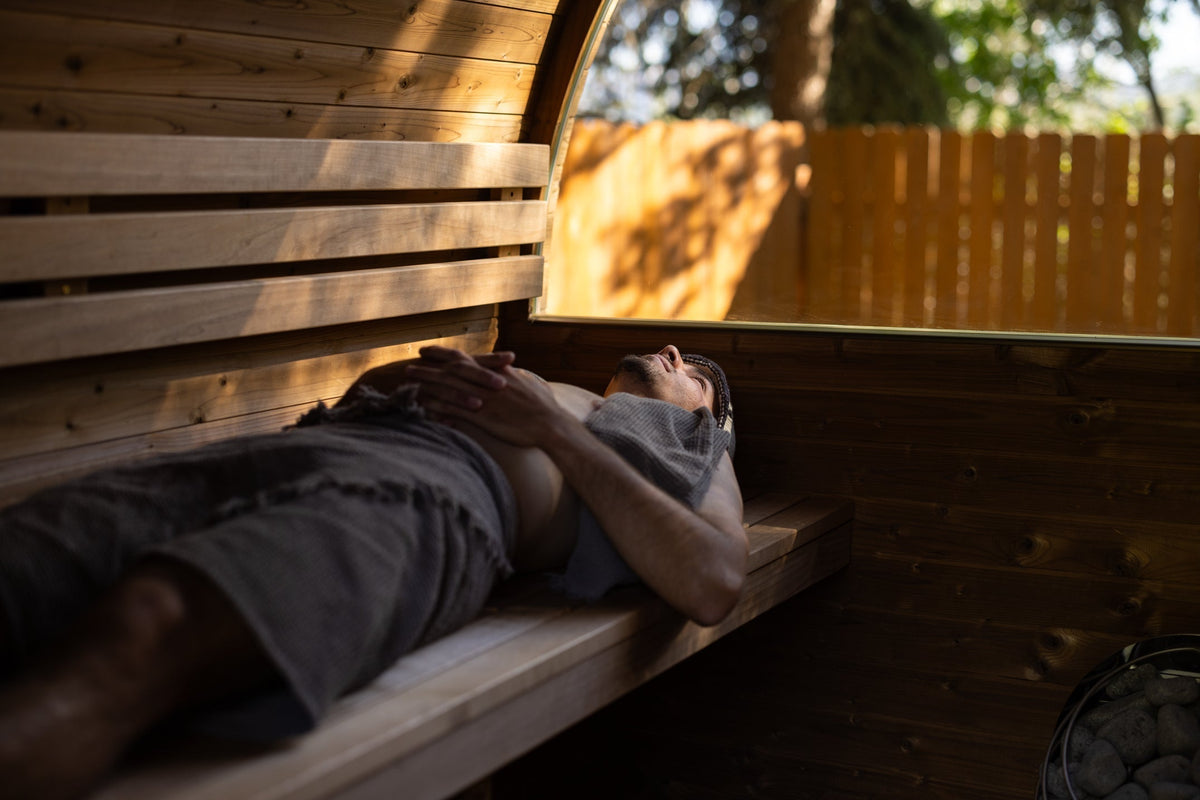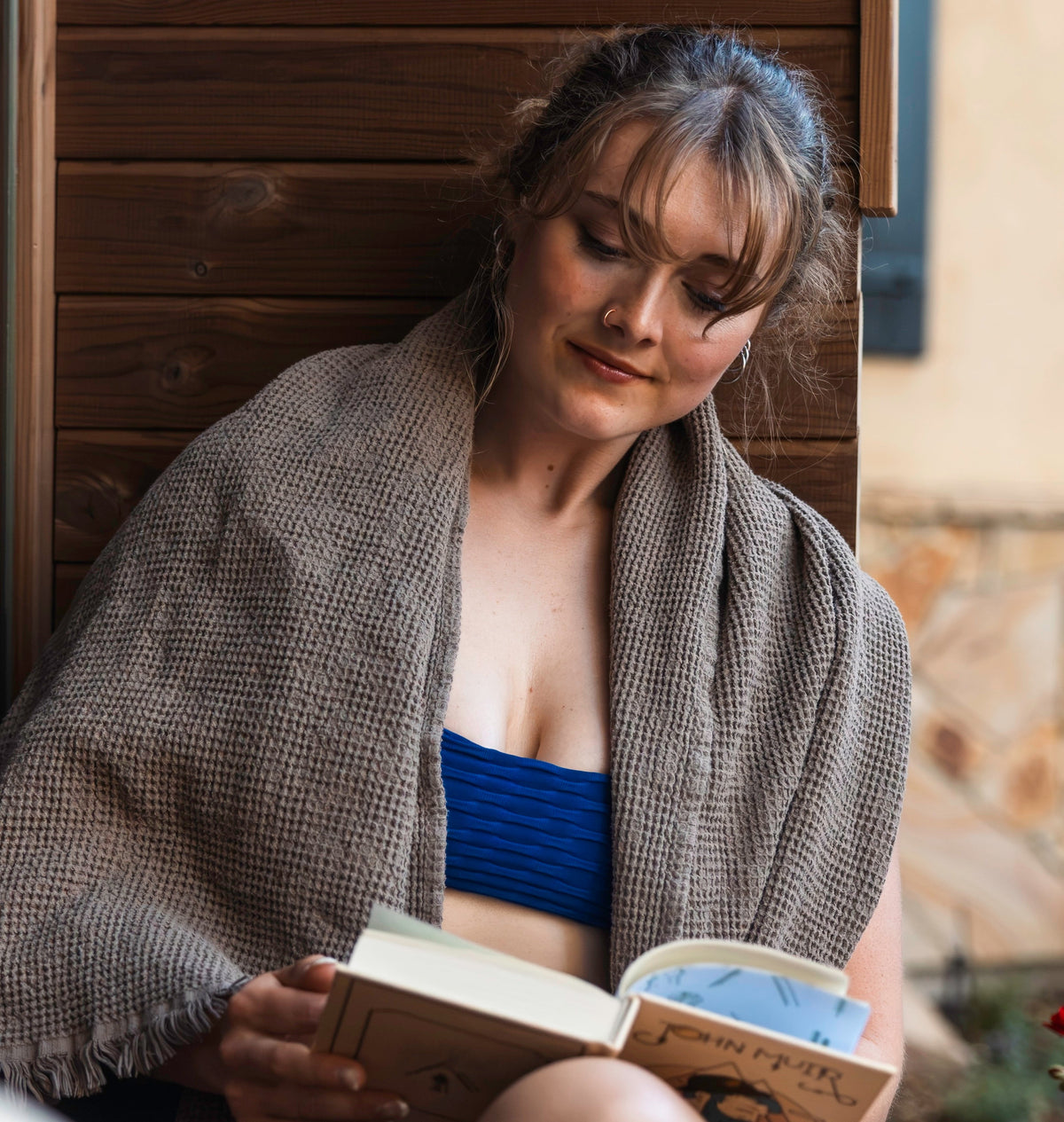
Contrast therapy means alternating heat and cold on purpose, in rounds, with a rest at the end. Athletes have done it for decades. It arrived in backyards recently, and it is now the most common question we get in the showroom.
01 What it actually is
Fifteen or so minutes in the heat, a short sharp cold exposure, then five minutes doing nothing. Three rounds is typical.
02 Why the cold is short
The cold is a stimulus, not an endurance event. Two minutes is plenty and thirty seconds counts. Anyone who tells you it should be miserable is describing a personality, not a protocol.
03 The rest is where it happens
The vessels that clamped shut in the cold open back up, blood moves, and the nervous system swings out of alert and into rest. Five minutes, no phone. It is the round people skip, and the one the whole sequence is really for.
It is worth being straight about how good the evidence is. A Cochrane review of cold-water immersion trials found some evidence that it reduces muscle soreness in the days after hard exercise, while noting the trials were small and of low quality (Bleakley et al.). The heat side is better studied — sauna bathing has a substantial cardiovascular literature behind it (Laukkanen et al.). The specific hot-cold-rest sequence, the thing everyone is actually doing, has not been tested the way its popularity would suggest. A well-founded routine, not a proven one.
The cold half is the part people overbuild. You do not need a chiller to start. A garden hose in September, a stock tank in October, and by December a Utah night does most of the work for you — the water in an uninsulated tub sits close to plunge temperature on its own. Start with what you have and add equipment only once the habit has stuck.
A first session:
Two rounds, not three
Ten minutes in the heat rather than fifteen. Thirty seconds of cold. Five minutes sitting down afterwards, then decide whether you want a second round at all.
Water and a bench you can lie down on matter more than the protocol. Nobody has ever regretted stopping early.
Two mistakes come up in almost every showroom conversation. The first is treating the cold as a competition — longer is not better, and the shivering afterwards means you took more than you needed. The second is ending on cold and walking straight back inside. The sequence is hot, then cold, then rest, and the last word is doing real work.
I've used sauna and contrast therapy for years to help my recovery and de-stress after training. It's a major part of my training routine.
Sources:
Bleakley, Chris, et al. “Cold-Water Immersion (Cryotherapy) for Preventing and Treating Muscle Soreness after Exercise.” Cochrane Database of Systematic Reviews, no. 2, 2012.
Laukkanen, Jari A., et al. “Cardiovascular and Other Health Benefits of Sauna Bathing: A Review of the Evidence.” Mayo Clinic Proceedings, vol. 93, no. 8, 2018, pp. 1111–21.
We build saunas — we are not health professionals, and none of this is medical advice. Please talk to your doctor before using a sauna, especially if you are pregnant or managing an underlying condition.